AI rail technology has recently been rolling out across Europe and beyond, turning once sleepy train routes into some of the most high-tech, ecofriendly ways to travel. If you’re the kind of traveler who’s always seeking a greener, smarter route, this is the game-changer you’ve been waiting for. I’ve spent months backpacking on the tracks, watching algorithms optimize timetables and chatting with AI-powered ticket assistants at midnight stations from Paris to Prague. Here’s everything I wish I had known about how AI is transforming train travel for eco-conscious backpackers.
One of the most groundbreaking developments unfolded recently in the Czech Republic with the launch of “Edita,” Europe’s first passenger-carrying driverless AI train. Unlike earlier test models, Edita operates with fully autonomous control using a fusion of cameras, Lidar sensors, and advanced machine-learning systems capable of real-time obstacle detection. During testing, it successfully navigated unexpected challenges—including animals wandering onto the track—demonstrating a new level of safety and intelligence previously unseen in European rail travel.
And this is only the beginning. Broader EU initiatives like “AI Factories” are now building cross-border AI infrastructure designed to support rapid innovation across the rail sector and beyond. These integrated systems will power everything from dynamic scheduling and energy-efficient routing to predictive maintenance and autonomous mobility across multiple countries.
AI Rail Technology: Moving Beyond Old-School Train Travel
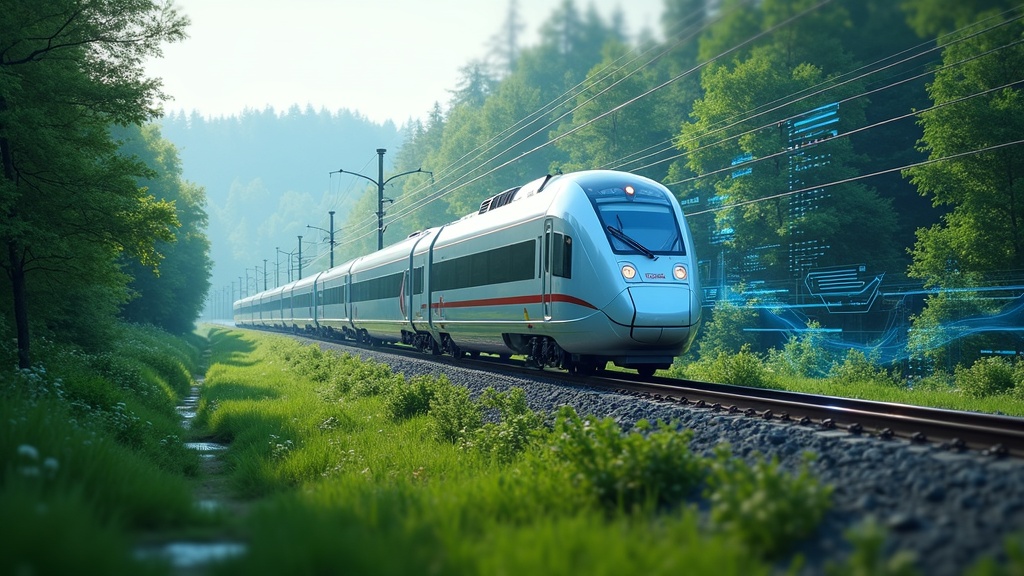
AI, the stuff we used to only hear about in sci-fi movies, is now under the hood of most modern rail networks. Think smart route planning, dynamic ticket pricing, predictive maintenance, and even AI chatbots that help travelers find the best sleeper cabins. This tech is not just for railway nerds; even casual globetrotters now benefit from smoother rides, fewer delays, and a much smaller carbon footprint than flying or driving.
Rail travel has always been an ecofriendly choice, but with AI, things have gone up a notch. Machine learning monitors train positions, energy use, and even passenger loads to make sure every trip is optimized for both efficiency and sustainability. According to industry stats, smart trains powered by AI can use up to 20% less energy than their old school counterparts, and that’s a big deal for anyone mindful of their environmental impact. These improvements are helping transform public perceptions of rail from outdated transport to the backbone of sustainable travel. As more countries invest in greener infrastructure, the push toward AI is set to make ecofriendly adventures mainstream rather than a niche option.
PS: If you’re curious about WealthyAffiliate.com and want to join, I’ve got an affiliate link that gets you a free trial and connects you directly to me for personalized support within the community. Just DM me for the details!
How AI Makes Train Travel Greener, and Better for Backpackers
When I first hopped on a night train using an AI-enhanced booking system, the difference was clear even before departure. Forget messy timetables or awkward ticket machines; AI takes care of route optimization, matches travelers to greener energy slots, and even helps rail companies coordinate schedules so connections are a breeze. These systems can sync up weather data with passenger info, automatically suggest less crowded trains, and flag sudden service disruptions in real time.
- Predictive maintenance: Sensors and data analysis predict when parts will need replacing, cutting down breakdowns and unexpected delays. You’ll encounter fewer surprises and longer stretches of uninterrupted travel, keeping your adventure on track.
- Energy management: AI can lower a train’s power draw or reroute energy to greener sources, working behind the scenes to shrink your carbon footprint. Some new networks even let the cleanest trains get priority tracks or times, making the switch to ecofriendly travel seamless.
- Dynamic routing: Routes adapt in real-time to weather, traffic, and environmental impact, making it easier and greener to get from A to B. Your trip can be automatically adjusted to minimize any negative environmental effects, adding a layer of eco responsibility without you lifting a finger.
- AI-powered ticketing: No more ticket confusion; AI finds you the best prices, best times, and sometimes even recommends sleeper trains with low-impact energy. Personalized suggestions pop up in your app, so you can travel on a budget while staying green.
Curious about how these features might play out on actual rides? Check out this deep guide to European sleeper trains for tips and real-world examples.
Popular AI Rail Features That Help Eco-Conscious Backpackers
The top AI rail features aren’t just about high-tech upgrades; they make life easier and much more ecofriendly for travelers. Here are some real perks from my own adventures:
- Personalized trip planning that factors in the lowest emissions, the easiest connections, and even seats with the top views. Some AI-driven planners can find the best time to travel for maximum daylight through scenic areas.
- Real-time language translation through AI assistants—super handy if you can’t tell your S-Bahn from your Shinkansen. Communication barriers vanish, helping you relax and interact with locals and staff.
- Smart sleep scheduling: AI analyzes your plans and suggests perfect overnight routes, letting you save money on accommodation while minimizing wasted travel time. For inspiration, here’s a handy guide to overnight and sleeper trains.
- Instant delay alerts: AI tracks everything and notifies you right on your phone, so you’re never guessing if a train is coming or not. Real-time notifications keep your plans fluid and stress-free.
How to Use AI Rail Tools When Traveling
Most major train operators now have AI-based tools either built into their websites or offered as apps. Even independent services like Trainline, Rail Europe, or local operators in Germany, France, Japan, and the UK are ramping up their smart infrastructure. Exploring these tools can turn your travel planning from a headache into something almost fun.
- Download official apps: Start with the train operator’s main app—DB Navigator, SNCF Connect, or Nightjet all use AI for real-time updates, itinerary planning, and smart ticketing. These apps sync up to your email and keep all your travel info in one place.
- Enable notifications: AI-driven push notifications keep you in the loop while on the go. Super useful for last-minute gate changes or platform swaps; you’ll never miss an important shift even if your language skills are rough.
- Try out chatbots: These are my secret weapon for snagging odd-hour sleeper berths or spotting accessible routes and amenities. Just ask the chatbot a question and it does the digging for you.
- Explore eco-routing options: Look for “green route” or low-impact filters in the booking process. Some systems now show the carbon savings alongside your travel choices, making it easy to stay conscious about your footprint.
- Take advantage of price predictions: AI tools pick up on sales or price drops, so you can time your bookings for the best deals. Set alerts to catch flash sales on your favorite lines.
If you’re interested in building a travel blog or documenting your rail adventures, places like Wealthy Affiliate can help you get started and connect with other backpacker storytellers.
Key Takeaways for AI in Rail Travel
- AI makes rail rides smoother, greener, and easier for everyone.
- Eco-routing and smart energy management mean you’re lowering your carbon footprint without thinking about it.
- AI-powered booking and updates take the stress out of planning, especially for last-minute route changes or platform switches.
- Predictive maintenance cuts down on delays and boosts safety, so you can focus on chasing new adventures.
Drawbacks and Things to Watch Out For
AI rail tech isn’t perfect, and sometimes even data-driven systems need a little human patience or a classic backup plan. Being prepared means you won’t get caught off guard if the tech isn’t working or if you venture into rural areas.
- Tech glitches happen: Even AI has bad days. Always keep a paper ticket or offline map handy just in case something goes wrong.
- Data privacy: More personal data often means smoother travel, but it’s a trade-off. Take a second to review privacy options when using new apps or services, and choose what you’re comfortable sharing.
- Train personnel: Not every staff member is familiar with the latest AI tech, so a friendly smile and a screenshot of your booking go a long way.
- Coverage is patchy: Some remote and rural routes don’t have smart controls yet. Check ahead on operator apps for the latest info and plan accordingly.
Choosing the Right AI Rail Route for Backpackers
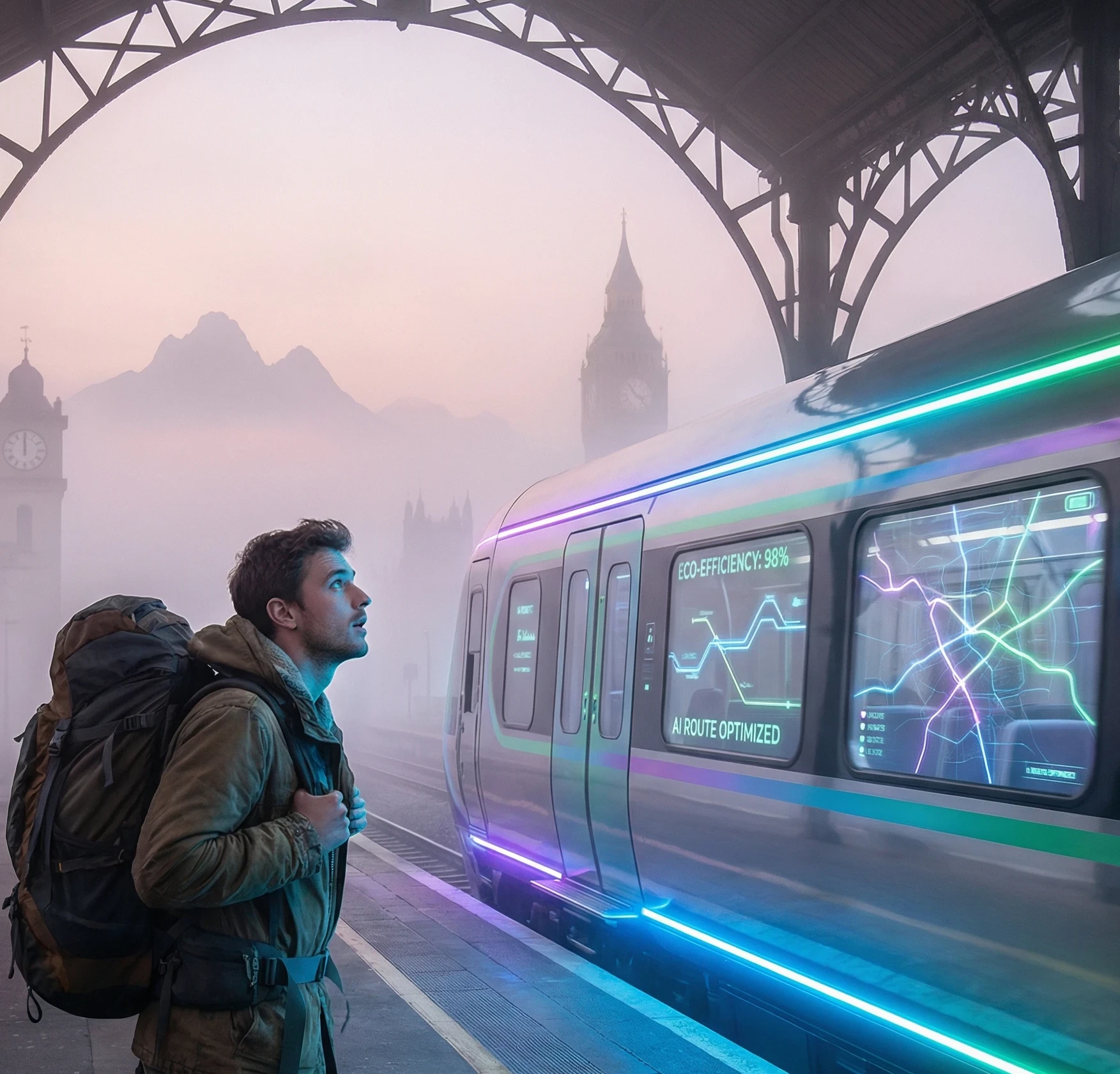
If you’re planning your next trip, you’ll notice that AI can recommend the best sleeper routes, flexible connections, or low-impact highspeed lines. Here are some tips I use when pulling together a sustainable rail adventure:
- Compare routes on platforms showing both emissions data and AI-driven connections; it’s the fastest way to see a trip’s impact.
- Look for sleeper trains or overnight options to save on both carbon and accommodation. Here’s another super detailed sleeper train guide you should check out.
- Travel during off-peak times; AI tools often track down the least crowded, most efficient services, making your ride more relaxed and quieter.
- Don’t be afraid to push the boundaries; sometimes the most interesting places turn up on AI-recommended “alternate” routes.
Advanced AI Rail Tools for Next-level Travelers
Once you’re comfortable with the basics, test out these extra tools for smarter, more sustainable travel and to get even more from your time abroad:
- Multimodal journey planners: These apps use AI to combine trains, buses, ferries, and bikes to create a seamless adventure from your door to your destination.
- Carbon tracking: Some platforms show the exact environmental impact of every stretch, which is perfect if you want to chronicle your low impact travel journey.
- Sleep optimization tools: Fantastic if you’re juggling jet lag, multiple time zones, and overnight train rides—AI can recommend rest stops and nap-friendly travel schedules personalized to your trip.
Frequently Asked Questions
What is AI rail technology?
AI rail technology uses artificial intelligence to improve everything from route scheduling and predictive maintenance to energy use and passenger experience. If you’ve ever received a real-time update or snagged a cheap off-peak sleeper ticket, you’ve probably tapped into it already.
How does AI help reduce a train’s carbon footprint?
AI picks out optimal speed, stops, and energy sources to use less power. It also helps line up schedules so trains run full, not empty, and that actually saves energy for the long haul.
Do all rail operators use AI now?
Most major rail lines in Europe and Asia have put some form of AI into play, whether in scheduling, ticketing, or maintenance. Smaller or rural outfits might still be bringing it on, so it’s worth checking their apps or websites for details.
Are sleeper trains part of the AI upgrades?
Sleeper trains are a big winner; AI tools make booking, timing, and route planning easy and smooth. For more on how AI has modernized overnighters, see this sleeper train guide.
Can I customize my route for sustainability?
Many booking platforms let you see routes by emissions, layover efficiency, and energy source. Pick “eco routes” or filter by emissions for options that are even greener than standard routes.
Looking Ahead: Why AI Rail Tech Matters for Eco Backpackers
AI in rail isn’t just a trendy buzzword; it’s the real technology changing how we move, making trains a more attractive choice for eco-minded explorers. With these smart tools, every backpacking trip can be a cleaner, smarter adventure, leaving more of the world untouched for the next explorer. If you’re motivated to share your own rail stories, check out Wealthy Affiliate for resources that can help you kickstart your own travel blog.
There’s never been a better time to jump on board.
Kindly leave your comments below.
** Here’s a little transparency: Our website contains affiliate links. We may receive a small commission if you click and make a purchase. Don’t worry, as there’s no extra cost to you. It’s a simple way to support our mission of bringing you quality content.
Related:
AI models, particularly those used for predictive maintenance (e.g., detecting rail wear, bearing failure), require massive amounts of clean, consistent, and standardized time-series data. Rail infrastructure often stores this critical data in disparate, siloed, and proprietary legacy systems (Source 2.1, 2.2).
What is the single most critical, practical step an AI development team must take to successfully pull, cleanse, and standardize data from a fragile legacy rail control or sensor network without destabilizing core operational systems (ATS/ATC), and what is a realistic estimate for the necessary upfront investment in this data preparation phase?
Hello Leah,
Thank you so much for such a thoughtful and technical question.
I agree with you. Legacy rail systems hold a valuable operational data, but accessing it safely is a major challenge.
In my view, the single most critical step is establishing a secure, read-only data extraction layer that sits between the AI team and the legacy ATS/ATC systems. This prevents disruptions to real-time operations while allowing engineers to pull data incrementally, validate it, and standardize it without touching the live control environment.
In terms of investment, most rail operators should expect the initial data preparation phase; building connectors, cleaning datasets, and creating a unified schema- to require 3-6 months of work and approximately 250k-750k, depending on system complexity and data fragmentyation.
Thanks once again for your contributions to the article and for raising an important issue at the heart of AI-driven rail modermization.
Warm regards,
Makinde